No media player required: signage on hardware you already own
Why ChannelOS runs as a web page on the TV itself — no dedicated media player, no per-device license — and how channels, dayparting and self-updating screens work on hardware you already have.
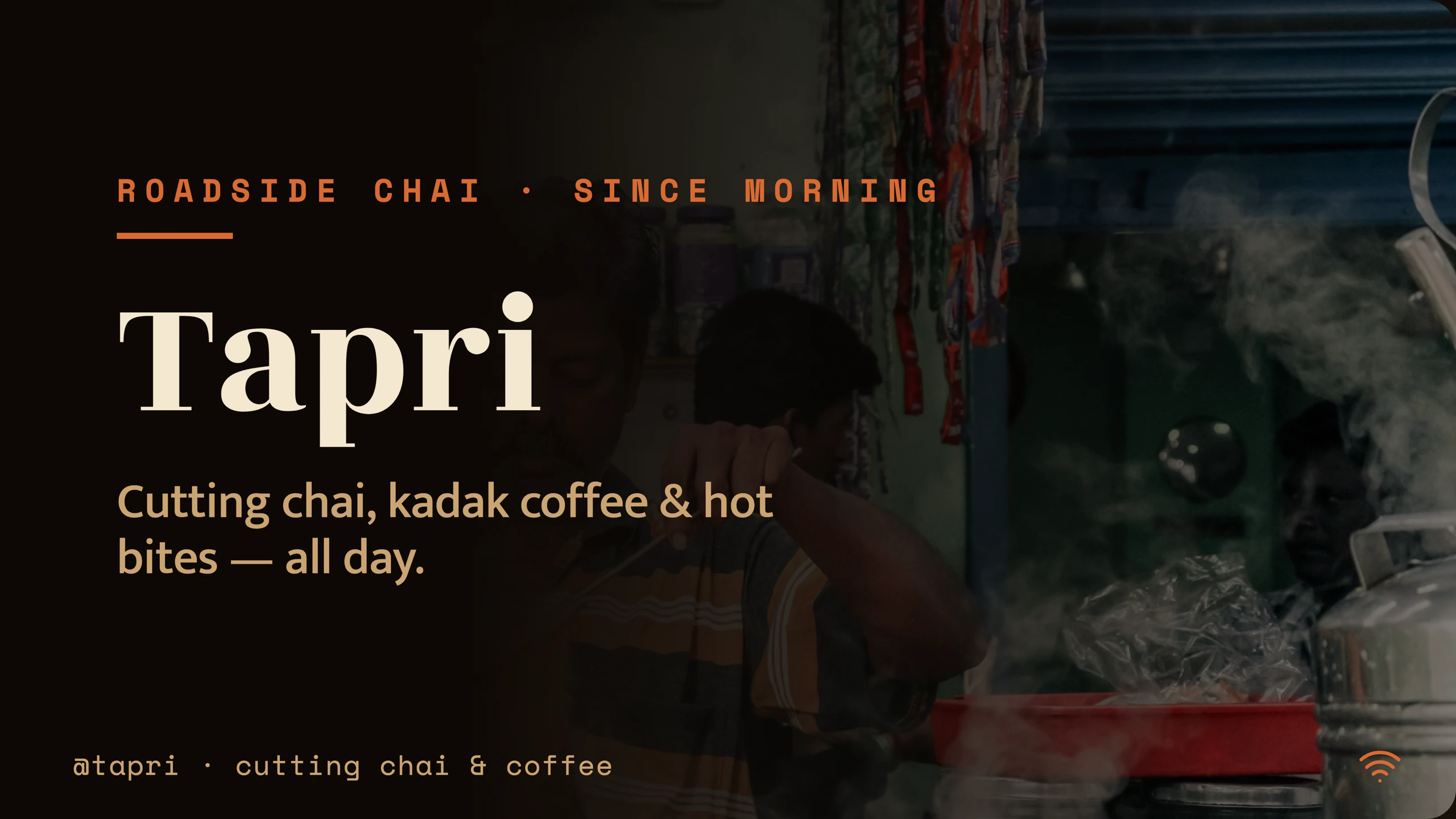
A shop owner priced this up last month and stopped at the second line: one media player box per screen, times four screens, before a single slide existed. The boxes were not the expensive part. The expensive part was that the quote turned a Tuesday afternoon job into a purchase decision, and the purchase decision never got made.
A surprising amount of signage cost and complexity comes from one assumption: that every screen needs a dedicated media player device behind it, provisioned and licensed.
ChannelOS drops that assumption. The TV is the player. ChannelOS runs as a web page on the screen itself, so any device that renders a modern browser can be a screen you manage.
Hardware you already own
Android TV, Google TV, webOS, Fire TV, a cheap browser-on-a-stick, or literally a laptop in kiosk mode — if it loads a web page, it pairs. There’s:
- No player box to purchase per screen.
- No app to sideload or keep updated on the TV.
- No per-device license to track.
You open play.channelos.tv, scan the code from your phone, and that screen is live. The cost of adding a screen is the cost of a TV you probably already have.
Screens that update themselves
Hardware you never touch is only good if it stays current. ChannelOS screens self-update: a paired TV quietly polls for new builds and reloads itself when one ships, with a loop-guard so it never gets stuck. And when you need to force it, the operator can trigger a remote reload straight from the board.
No ladders, no USB sticks, no walking the floor. The fleet keeps itself fresh.
Channels: one schedule, the whole fleet
Pushing a show to a single screen is the simple case. The powerful case is a channel — a named broadcast feed with a real timeline that many screens tune into.
Because what’s on a screen is derived from the channel schedule and the clock — never pushed screen by screen — one edit reaches every screen on that channel at once. That’s how a 20-screen network stays consistent without 20 separate updates.
Dayparting: the right content at the right time
Channels support dayparting: different content by time of day and day of week. A café shows a breakfast board until 11, lunch specials through the afternoon, and a dinner menu at night — set once, runs itself. Weekend hours differ from weekday hours automatically.
You can also take over a channel live — drop an urgent message onto every screen instantly — then let the normal schedule resume when you’re done.
The payoff
Strip out the player hardware and the per-device busywork, and signage stops being an IT project. You’re left with the part that matters: the right thing, on the right screen, at the right time — running on hardware you already own, updating itself, programmed once.
That’s signage the way it should have worked all along.
The test is cheap and it takes one evening: open the player URL on the TV you already own and see whether it renders. If it does, you never needed the box, and you now know that for free. If it does not, you have learned something a quote would never have told you.
Frequently asked questions
- What digital signage software works in a smart TV's own web browser with no hardware?
- ChannelOS does. It is a web page, so the browser already built into the television is the player and there is nothing to buy, install or sideload. You open one address on the TV, a six-character code appears, you type that code on your phone, and that screen is yours to control. It works on Android TV, Google TV, LG webOS, Fire TV and any set with a modern browser, and a television that is not smart can be driven by a streaming stick or a laptop you already own. The first screen is free for ever. Free screens show a ChannelOS banner along the bottom of the screen, and any paid plan removes it. The honest limit: a screen that is already playing keeps playing if the wifi drops, but it needs the connection back to restart after a power cut, because there is no offline media cache on the device. If a screen must survive a long outage on its own, buy a vendor with a media player and local storage.
- Do I need a special media player box for ChannelOS?
- No. ChannelOS runs in the TV's own web browser. Any device that renders a modern web page — Android TV, Google TV, webOS, Fire TV, or a browser on an HDMI stick — can be a ChannelOS screen with no extra hardware.
- How do ChannelOS screens stay up to date?
- Screens self-update. A paired TV quietly polls for new builds and reloads itself, and operators can also trigger a remote reload from the board. You never have to touch the hardware to push an update.
- What is dayparting and does ChannelOS support it?
- Dayparting means showing different content at different times of day or days of week — for example a breakfast menu in the morning and dinner specials at night. ChannelOS supports it on channels: you set a weekday/weekend, by-hour schedule once and screens tune in automatically.
Your screen is two minutes away.
Open the player on a TV, scan the code, publish a show. Your first screen is free.
Free screens show a ChannelOS banner along the bottom of the screen, and any paid plan removes it.